Breaking the Mold: Designing the First AI-Powered Claims Agent in US Auto Insurance
Timeline
3 months
Contributors
PM, 2 Developers, 1 Marketing manager
My role
Owned the end-to-end experience as project owner, led user testing, shaped the agent's experience as well as strategy, and ran stakeholder sessions to land the solution on the roadmap.
Background
Fairmatic is an auto insurance company in the US. While claims were handled by a third party administrator, there was a dedicated mobile app and dashboard present for drivers or fleets to report a claim.
🚨 The Problem
of claims were handled offline — drivers called managers or our third party administrator, leaving claims invisible to us.
of drivers that tried filing a claim through the app never returned, poor experiences meant trust was gone. They simply avoided it.
of drivers had never installed the app at all.


How do we get more drivers to report claims directly to Fairmatic?
🛠️ How I Solved It
Due to NDA restrictions, reach out to adithkvn@gmail.com for a detailed walkthrough.
Here's how I approached this challenge from a high-level:
What I learnt from talking to drivers :
I spoke to drivers that we serve to understand how they file claims and how they deal with accidents.

Bringing the team together.
I organized a workshop to define design principles, OKRs, assumptions and figure out the project.

Exploring directions.
I sketched four paths. When we mapped them against driver behavior, most fell short. The AI agent stood out as the only one that could meet drivers where they were, without depending on any new behavioural adoption.


Testing and iteration.
Early prototypes were rough. I had to vibe code the entire interaction since it was an actual voice agent experience that can't be built on Figma.

Stripping the fat.
Bit by bit, I tested each iteration with drivers eventually stripping off features from the vision to make the MDP more realistic.

An insight that changed everything :
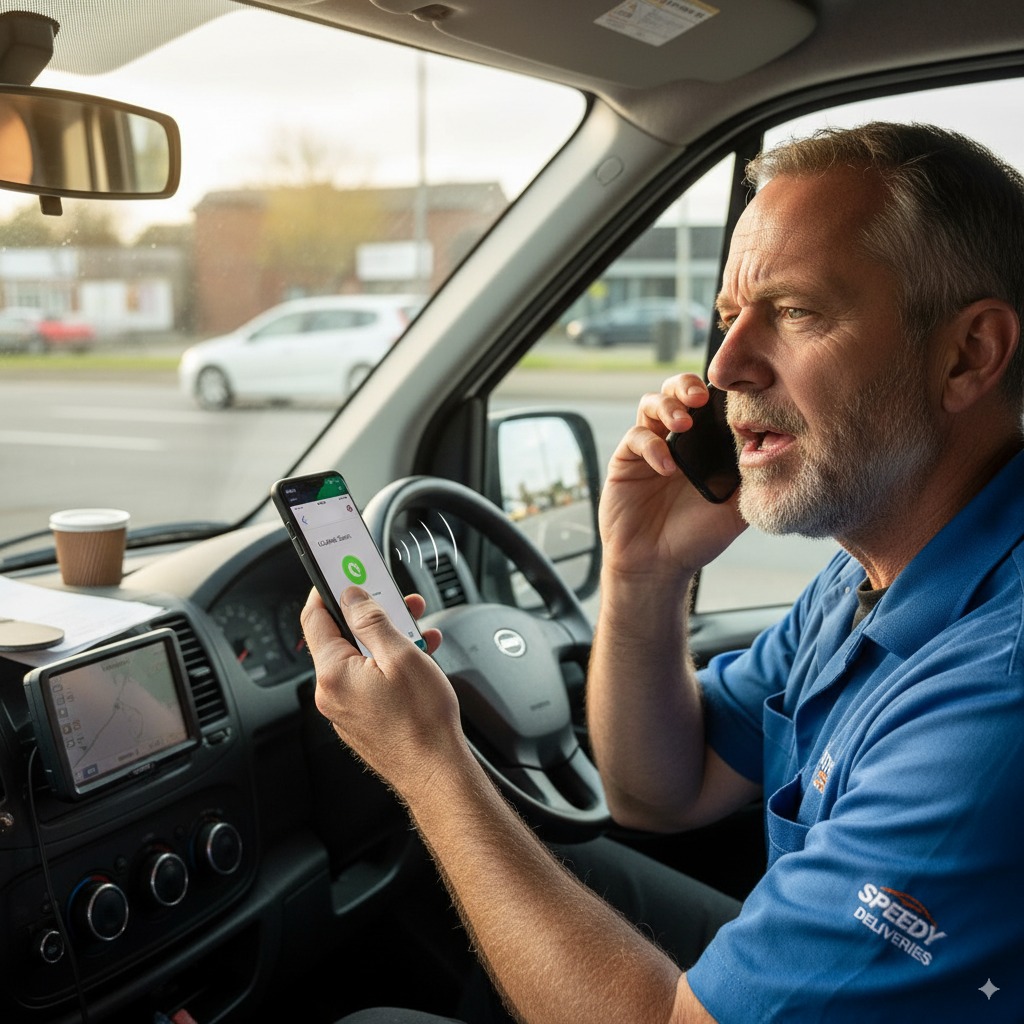
In testing, drivers either pressed the phone to their ear or held it near their mouth on speaker. The screen was out of play. That's when we dropped transcripts and built the experience around haptics and voice so that every confirmation and clarification worked seamlessly in the way drivers naturally interacted.
Building a case.
"Not sure we have the time or bandwidth to do this, especially since it's a moonshot."
Even with better tests, we still had a problem: the project wasn't on the roadmap. To push forward, I entered it in our company-wide hackathon. Demoing it live created a buzz.

And....won the hackathon, which meant I had the dream solution on the roadmap.
✅ The Solution
What was built in the end was an agent combined with a redesigned application that addressed the very reasons drivers had avoided us before:
Accessible anywhere - Claims could start through the app, SMS, or a phone number, no installs required.
Trust rebuilt - The agent spoke in plain, empathetic language, feeling less like a form and more like real help.
Fast and transparent - What once happened offline over days could now be completed in minutes, with status updates drivers could see.
Key highlights
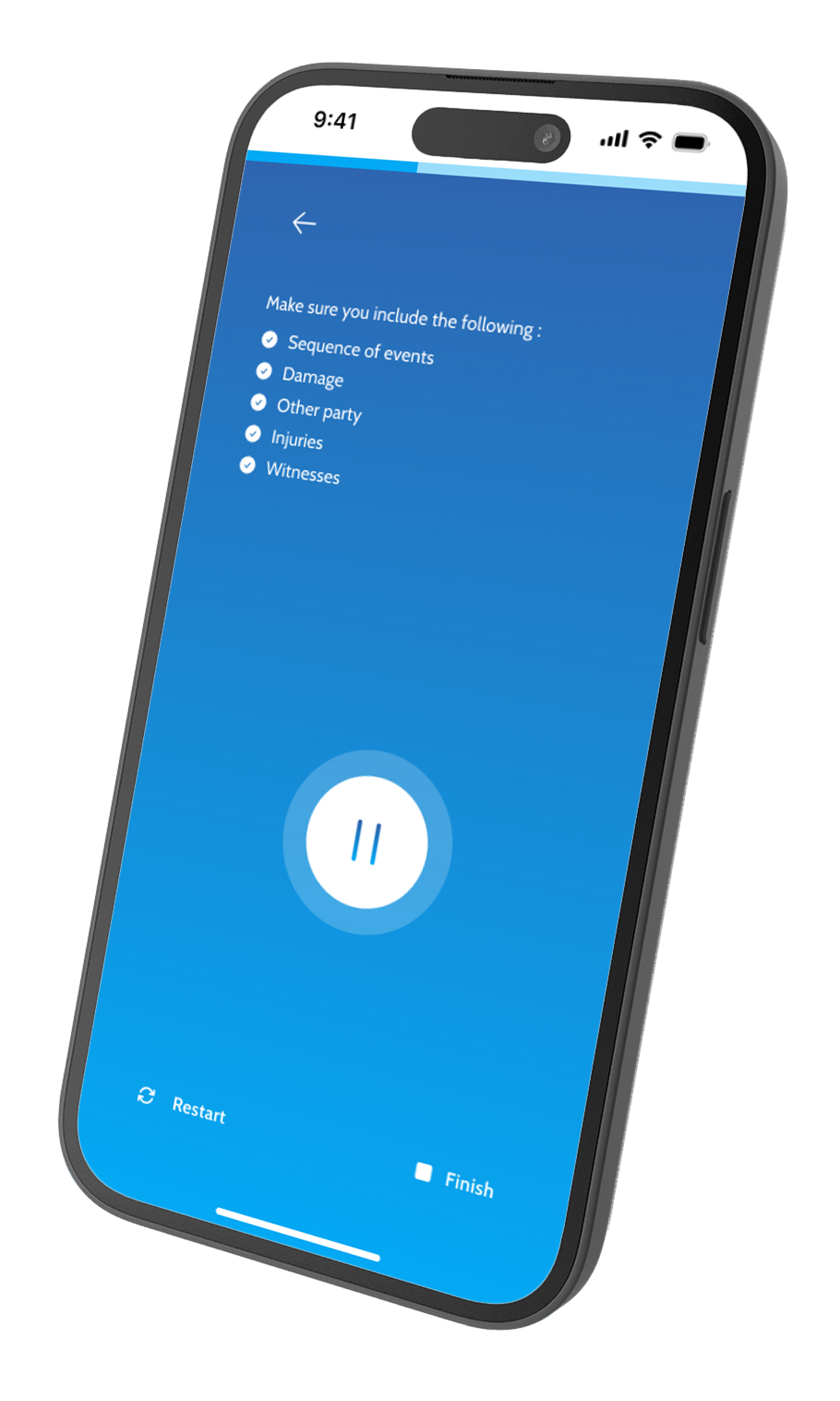
Focused space
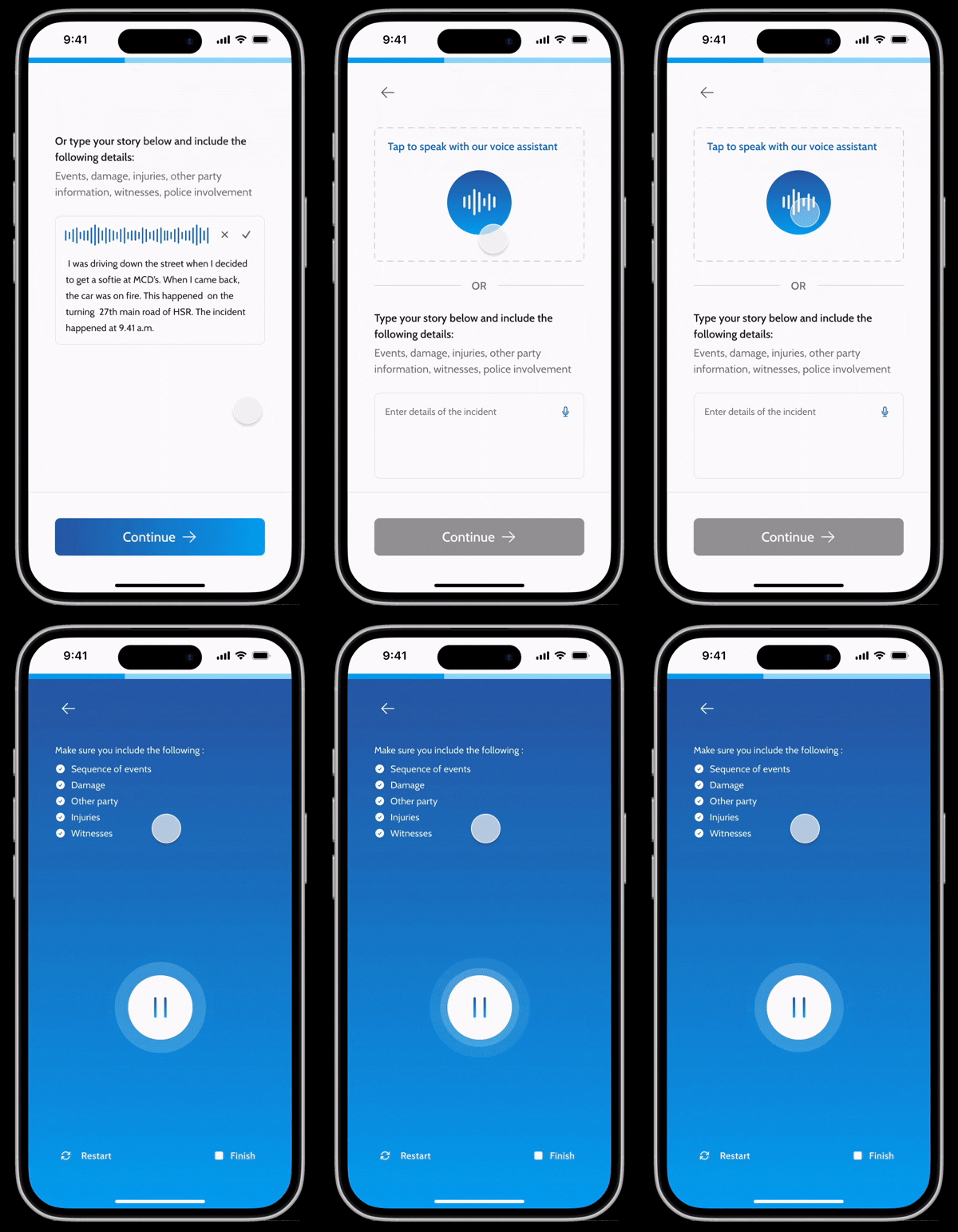
Giving the agent experience its own space and style to keep it more focused.
Checklist
Contextual and automated checklists at the top that check each time some information is acquired.
Pause and play feel
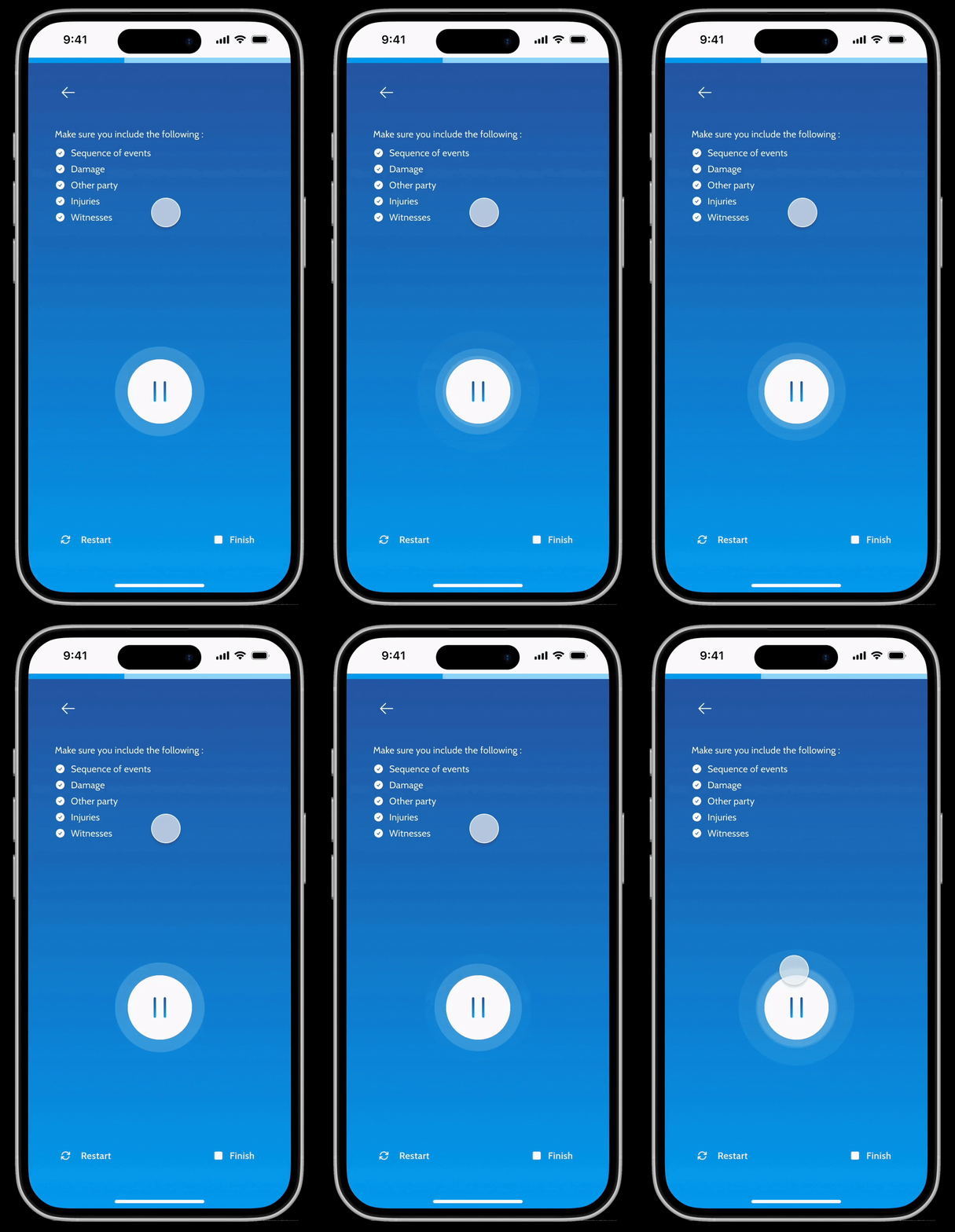
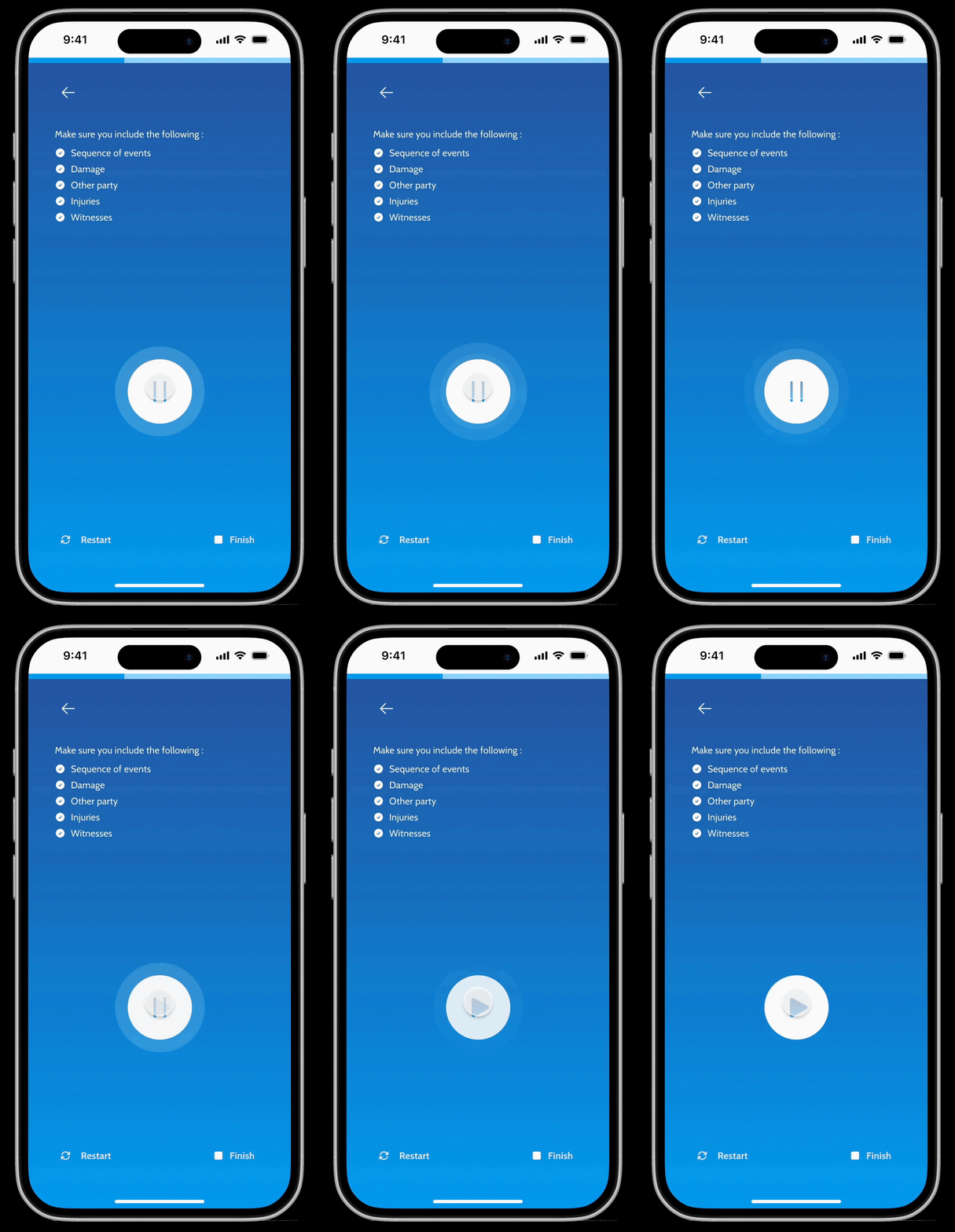
Animations/motion only when something is running, static screen for paused to let users know nothing is happening.
Summary screen
Showing the summary of the conversation in key data points rather than a big transcript.
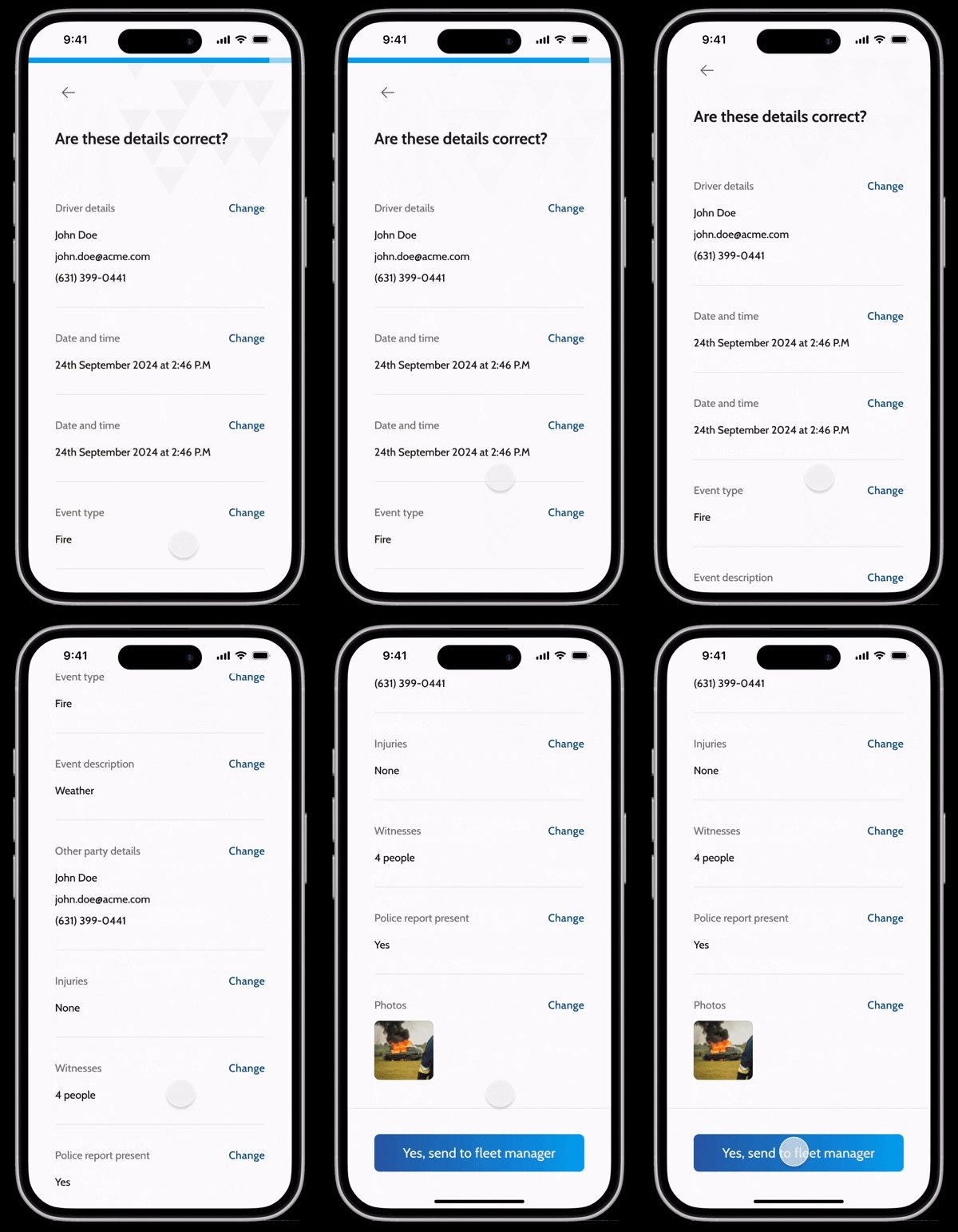


Drag the slider to compare the before and after experience
📈 Impact
Within a month of launch, the impact was clear:
Increase in claims reported through Fairmatic
Decrease in lag time for claims
Driver satisfaction score
But the real impact wasn't just in numbers, it was in how drivers felt. Instead of frustration, we heard surprise:
"I didn't realize it was a bot."
That moment told us we'd rebuilt trust. Drivers no longer saw reporting as a chore, but as a seamless part of the journey.
🔄 What Could've Been Better
- More pre-launch testing: Some edge cases weren't captured initially. Drivers' varied ways of interacting with the agent posed unexpected challenges.
- Having a unique phone number for each fleet: We received calls from non-customers because fleets didn't have dedicated numbers, which increased agent token costs. Going forward, each fleet will have its own number.
📚 Learnings
- The roadmap isn't static: User needs and well-placed ideas can create room for impact.
- Trust and visibility matter: Strong stakeholder relationships can amplify the reach and adoption of your ideas.
- Be ready to act on opportunity: The timely release of Eleven Labs' voice agent became a catalyst. Good ideas often need timing, and being prepared helped turn that moment into impact.
THE END